

Cellar

Cellar and ageing

The cellar is not a store where wine simply waits; it is the space that sets the conditions for ageing. This page describes the cellar’s history, its physical conditions and its contribution to the wine.

Temperature
11 – 16 °C
Humidity
60 – 80%
Light
No natural light; working lights only
Barrel ageing
6 – 18 months, depending on the wine
Bottle ageing
At least 3 months before shipment
Climate control
No mechanical cooling
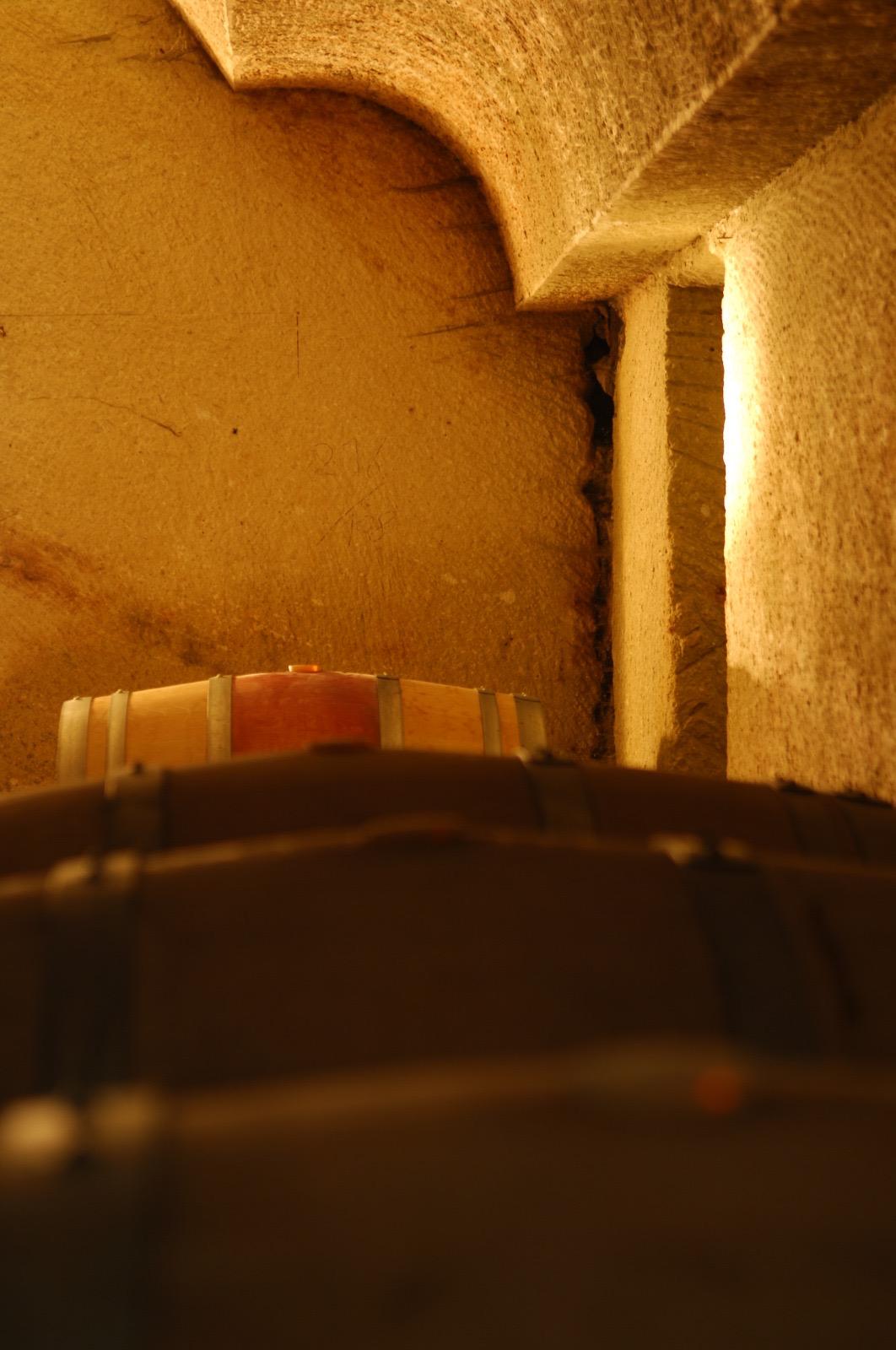
Close-up of the tuff wall of the cellar, showing carving marks.

A structure carved into rock

In Cappadocia, tuff is a soft yet durable rock left behind by volcanic activity millions of years ago. It is soft enough to be worked by hand and strong enough to support itself once carved; storage and ageing spaces in the region have been opened this way for centuries.

In 1943 we carved Turasan’s first cellar into the heart of the rock in the same way, with patience and effort. As our production grew over the generations our spaces expanded, yet the essence of our story has never changed. Today we continue, with the same care, our commitment to remaining at the heart of nature and the rock.
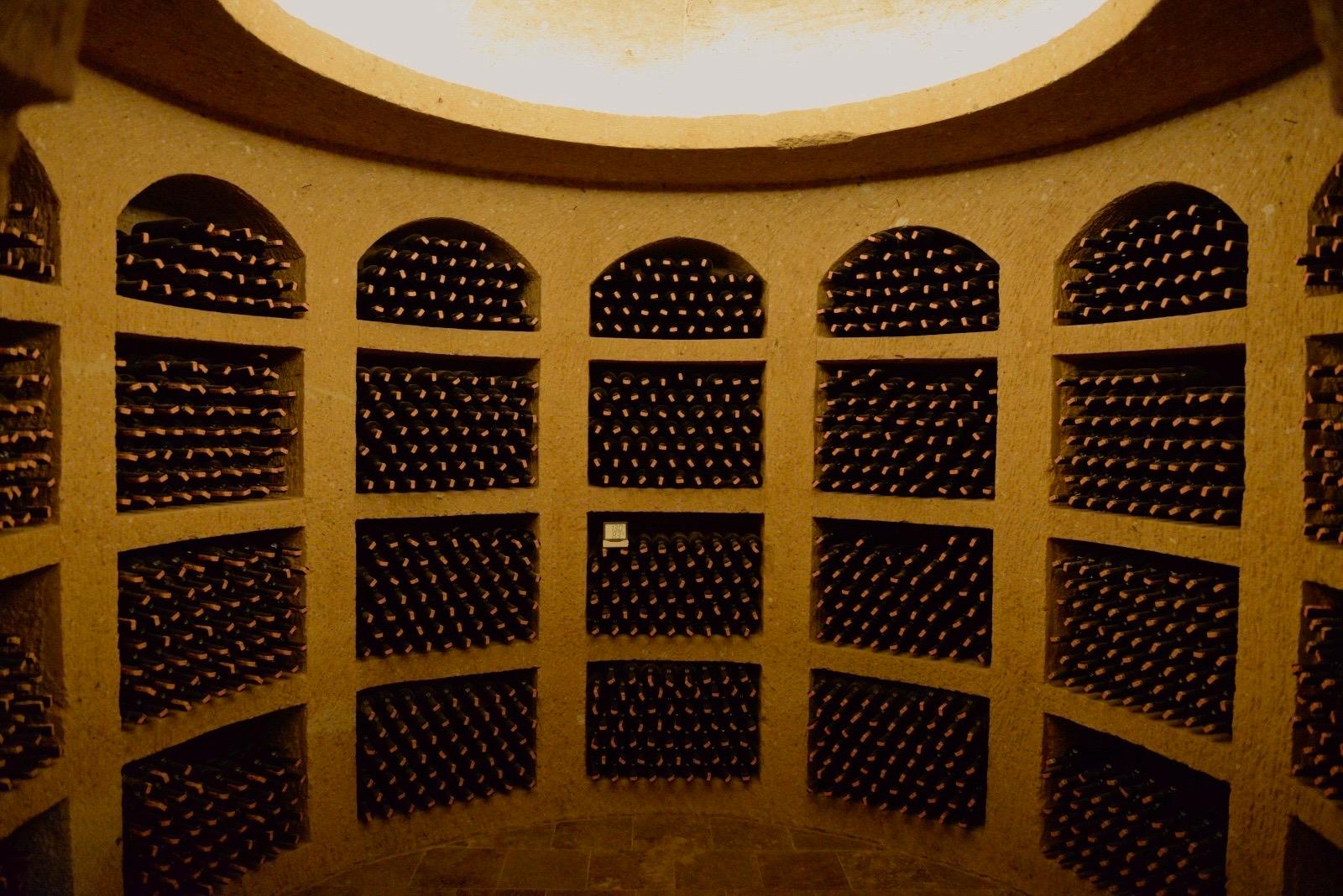
Vaulted interior of the cellar, with rock walls and working lights falling on the floor.

Stable temperature and humidity

The thick, porous texture of the tuff keeps seasonal temperature swings in the outside air from reaching the interior. The difference between summer and winter is limited to just a few degrees inside the cellar, and the environment stays in balance all year round.

This special structure also regulates humidity on its own. High relative humidity slows evaporation from the barrels and keeps corks from drying out. All these ideal conditions are provided entirely by the rock’s own natural character, without the need for any mechanical climate control system.

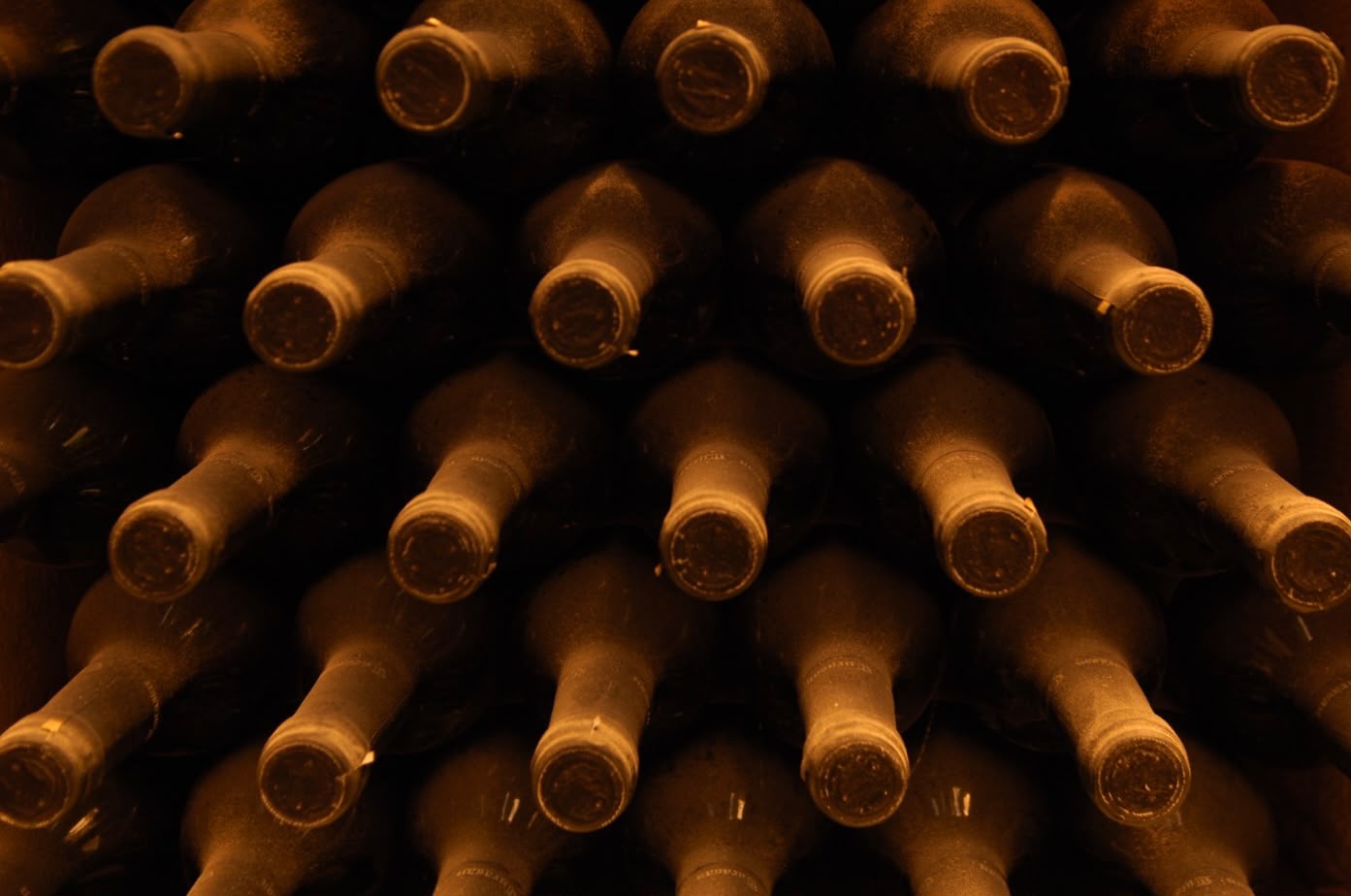
Bottles resting horizontally in cellar niches.

Bottle ageing and contribution to the wine

After bottling, the wine rests horizontally in our cellar before shipment. This process eases the effect of the disturbance caused during bottling and allows the aromas to come together in balance.

The cellar’s contribution to the wine is not limited to a single stage; it continues uninterrupted throughout the process. The absence of temperature fluctuations slows maturation and keeps it controllable; the dark environment protects delicate light-sensitive compounds; and high humidity keeps loss of volume to a minimum. Thanks to all these conditions, the wine matures at its own ideal rhythm, unaffected by the seasonal changes of the outside world.

Home

Preparing the site